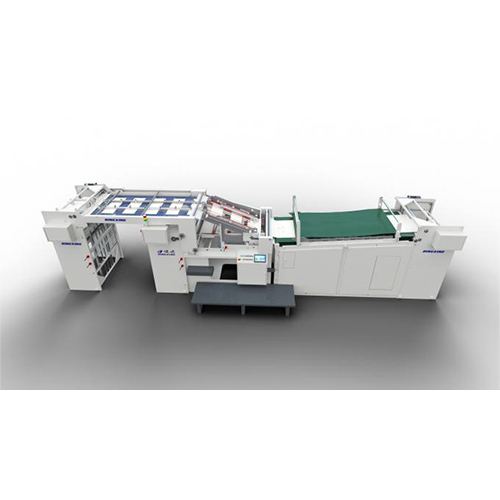
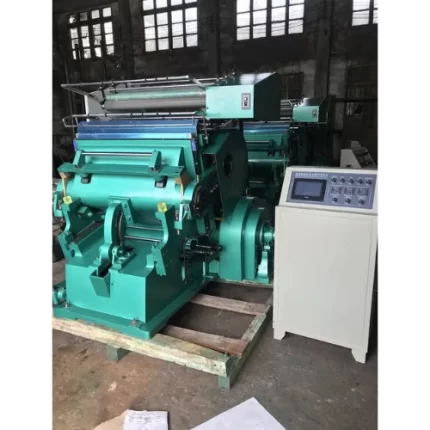
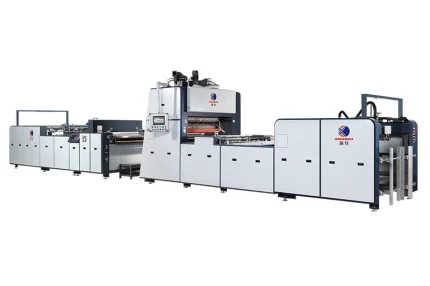
Machine Specification
| Source Feature/Finding |
Specifications |
| Max. Sheet Size(mm) |
1200Wx720L |
| Min. Sheet Size(mm) |
450Wx450L |
| Thickness of Upper Paper |
100-800g/m² |
| Thickness of Bottom Paper |
180-1800g/m² |
| Max. Speed |
150pcs/min (Subject to Paper Quality) |
| Laminating Precision |
±0.5mm(Standard smooth paperboard) |
| Total Weight |
7000kg |
| Total Length |
8900mm |
| Operation Space |
3M×12M |
| Power |
AC380V/50Hz/16kW |
What it does and where it fits
Cardboard-to-cardboard is different from flute lamination. Flute laminators bond a flat sheet to a fluted board (rigid, lightweight). Cardboard-to-cardboard bonds two flat boards to each other, producing a solid, heavier laminate. That is what you want for gift-box lids, book covers, rigid retail displays, calendar backs and stiff mailer packaging.
Bangladesh buyers are usually converters serving cosmetic and gift-market brands, book publishers and premium-retail POP producers. The machine also has quiet demand from the growing corporate-gifting sector — the printed cardboard boxes for RMG buyer sample kits, awards, and executive gift packs where the substrate has to feel substantial in the hand.
Applications
The largest single application is rigid gift-box lids and bases for cosmetics, jewellery, corporate gifting and premium RMG packaging (buyer-branded shipping boxes that need to feel higher-end than a standard export carton). It is also used for hardcover book production by Dhaka-based publishers and for shelf-standing POP displays used in Bangladesh supermarkets and pharmacies during product launches.
For carton converters who already run a flute laminator, adding a cardboard-to-cardboard line opens the rigid-packaging segment — a higher-margin category than standard shipping cartons and one that Bangladeshi brands increasingly want sourced locally rather than from Chinese import.
Related equipment and supplies: Flute Laminator Machine, Industrial Film Lamination Machine, Die Cutting and Hot Stamping Machine.
Frequently Asked Questions
How is this different from a flute laminator?
A flute laminator bonds a flat top sheet to a fluted corrugated bottom — output is lightweight and rigid. A cardboard-to-cardboard laminator bonds two flat cardboards — output is solid, heavy and much stiffer per millimetre. Different applications entirely.
What board weights can it handle?
From 200 gsm duplex up to 1500 gsm greyboard. Combined laminate thickness commonly runs 2–4mm for gift boxes and 1.5–2mm for POP displays.
What glue does it use?
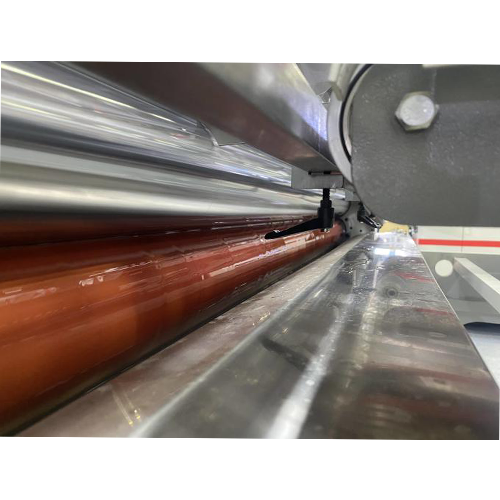
Standard water-based PVA glue used across the Bangladesh binding and packaging industry. Available from local suppliers; no proprietary consumable lock-in.
What is the delivery timeline?
Estimated 30–45 days from order confirmation to Chittagong port arrival, plus a week for inland delivery and installation in your factory.
Do you provide installation and operator training?
Yes — installation includes electrical connection, first-run calibration and two days of operator training covering setup, glue calibration and preventive maintenance.
What is the price range in Bangladesh?
Price on request. The range depends on working width, top speed and whether you need automatic sheet counting at delivery. Contact us with your monthly output target for a firm BDT quote.