Machine Specification
| Feature |
Details |
| Ink Type |
Gravure, solvent-based reverse printing ink |
| Substrates |
Corona-treated BOPP, laminated PP woven sacks, treated polyester film |
| Key Features |
Additive-free, cylinder & doctor blade friendly |
| Compliance |
Global standards, lead & chromium free, food packaging suitable |
| Solvent Retention |
Low |
| Odour |
Low |
| Equipment Compatibility |
Safe for cylinders & doctor blades |
| Packaging |
Industrial drums/containers (size varies) |
BOPP-laminated vs plain PP sacks — where this ink fits
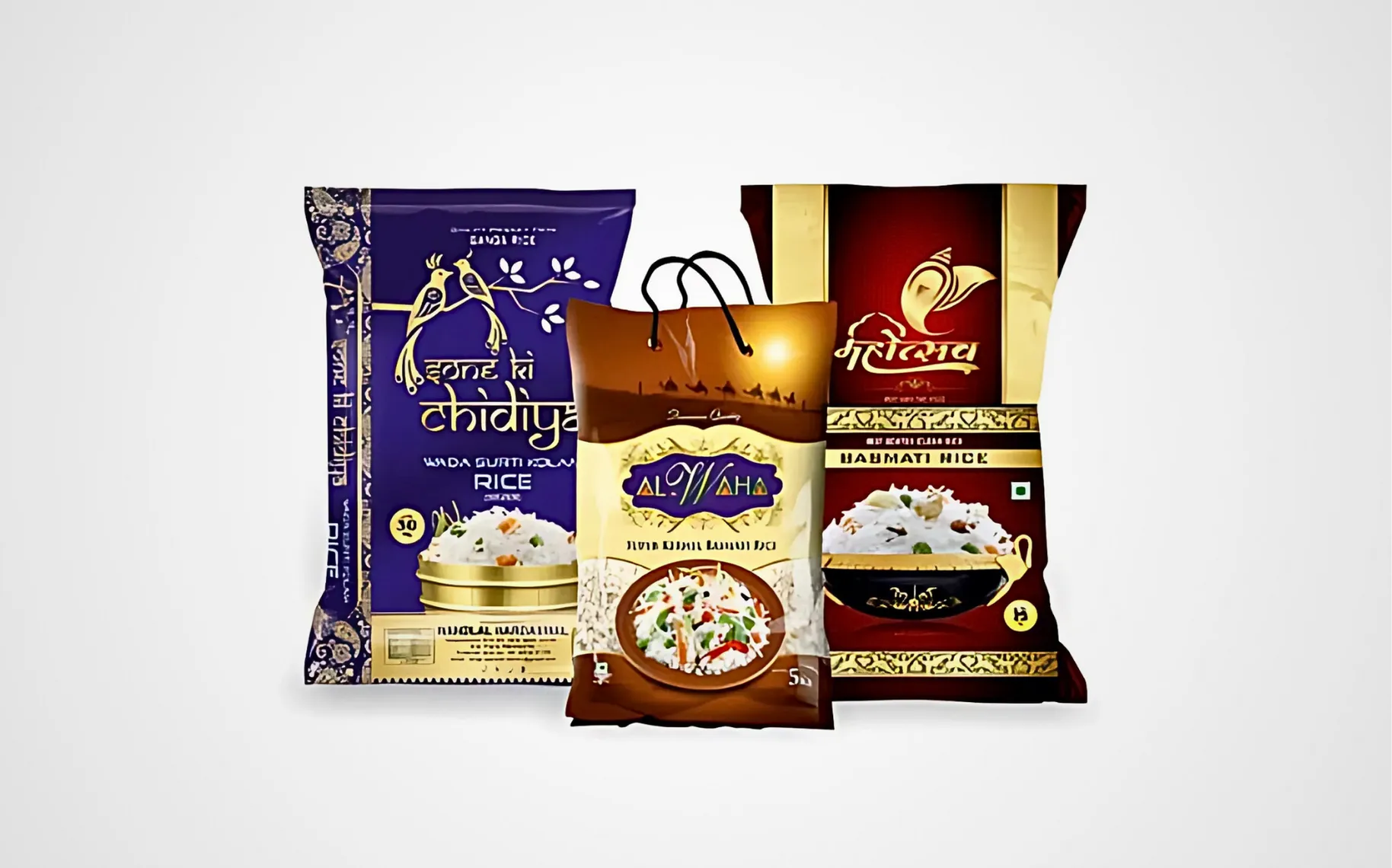
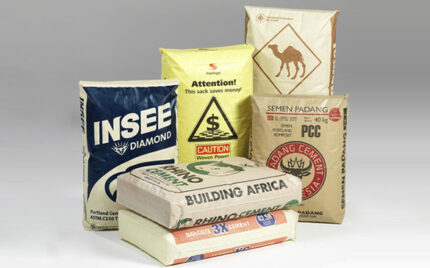
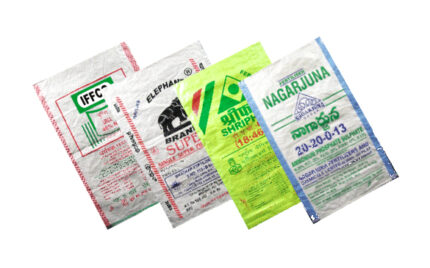
Plain woven PP sacks are the mass-market agro packaging — cheap, functional, printed with surface-applied ink that will scuff off eventually. BOPP-laminated sacks are the premium tier: a BOPP film is printed on the reverse side, then extrusion-laminated onto the woven PP base. The print sits between the two layers, protected from abrasion, moisture and UV. Result: retail-quality graphics that survive shipping, storage and shelf display.
This ink is specifically for that reverse-print application. It is used by converters producing branded premium rice packaging (retail brands like Chashi, Golden Harvest, Pran, plus international brands packaged in Bangladesh for export), branded fertiliser and specialty feed, and any agro category where retail shelf presentation matters as much as physical protection.
Applications
The primary customers are branded rice packaging converters (both for domestic retail brands and for export contracts to Middle East and Africa), premium fertiliser packagers (specialty and imported-brand fertiliser packed locally), and animal-feed brands positioning at the premium retail end of their category. Bangladesh’s BOPP-laminated sack demand has grown steadily as domestic rice and food brands have upgraded their retail packaging quality.
For converters producing under contract for named agro brands, Chemi BOPP Ext. Lam gives predictable retail-quality output and passes buyer compliance testing — an easier path to contract approval than working with generic BOPP inks.
This reverse-print BOPP lamination workflow differs from direct surface printing on woven sacks using Chemi PP Sack ink. For a food-packaging sack application, review the separate food-grade PP Sack series and verify the required substrate and compliance documentation.
Frequently Asked Questions
What is the difference between this ink and the Chemi PP Sack ink?
Chemi PP Sack is for surface printing directly on woven PP — mass-market agro sacks, unprotected surface print. Chemi BOPP Ext. Lam is for reverse printing on BOPP film that then gets laminated onto woven PP — premium branded packaging with protected print. Different applications, different ink chemistry.
What printing method does it work with?
Both roto-gravure (most common for BOPP printing in Bangladesh) and flexographic BOPP presses. The ink is optimised for reverse-print application in either method.
Does it bond reliably to the lamination adhesive?
Yes — the ink is formulated to work with standard polyurethane and water-based lamination adhesives used in Bangladesh’s BOPP-lamination lines. No delamination or edge-lift issues in normal operating conditions.
How long does the printed graphic last on a finished sack?
Because the print is sandwiched between BOPP and PP layers, it is protected from abrasion, moisture and most UV exposure. Effective visual life is the same as the sack’s physical life — typically 12–24 months of retail-display and storage conditions.
What container sizes are stocked?
Standard 25kg drums for volume users; 5kg pails for smaller converters. Bulk drums on order for high-volume production.
What is the delivery time in Bangladesh?
Standard shades ship from Dhaka stock within 3–7 days. Custom brand-specification colours from Chemicoat take 30–45 days.