Machine Specification
| Parameter |
Detail |
| Ink Type |
Dispersed Dye (Heat-Sensitive) |
| Ideal Substrate |
100% or High-content Polyester (Min. 80%) |
| Bonding Mechanism |
Molecular Fusion (Solid-to-Gas Phase) |
| Eco-Compliance |
Must be REACH, Blue Sign certified |
| Compatibility |
Designed for high-speed industrial printheads |
Why water-based instead of solvent-based
Heat transfer printing uses ink to print a design onto special transfer paper, which is then heat-pressed onto the fabric. Solvent-based inks in this category work but have workshop-safety implications (fumes, ventilation requirements) and often fail buyer chemical compliance for children’s and skin-contact wear.
Water-based heat transfer ink is the modern default for any Bangladesh workshop producing under RMG buyer contracts. Fumes are minimal, workshop ventilation requirements are basic, chemical compliance is straightforward, and the print quality on cotton and cotton-poly blends is as good as solvent-based grades. It costs slightly more per litre but the operational and compliance advantages easily justify the difference.
Applications
Bangladesh workshops use water-based heat transfer ink for T-shirt printing (both retail and RMG contract), children’s apparel, promotional merchandise (event T-shirts, corporate giveaways) and specialty print jobs where small quantities and design flexibility matter more than production speed. It is common in Old Dhaka’s dense print-shop cluster and in the fast-turnaround workshops that serve Dhaka’s promotional-event market.
The ink is a natural pair with our Hot Transfer Ribbon Printing Machine, Single Station Pneumatic Mark Heat Press, and Sublimation Heat Transfer Machine — customers who buy one of those machines typically bundle it with an initial ink supply from us.
Related equipment and supplies: Sublimation Printing Ink, Water Based Pyrography Ink, Heat Transfer Water Based Hydrochromic Ink.
Frequently Asked Questions
How is heat transfer ink different from screen printing ink?
Screen printing ink is applied directly to fabric through a mesh screen. Heat transfer ink is printed onto special transfer paper first, then the paper is heat-pressed to move the design onto the fabric. Different workflow, different ink formulation — using the wrong one causes poor results.
Can I use this ink on 100% polyester fabric?
Water-based heat transfer ink works best on cotton and cotton-poly blends. For 100% polyester, sublimation ink (also in our catalog) gives better colour saturation and wash-fastness.
Is it safe for children’s clothing?
Yes — Öko-Tex Standard 100 compliant and skin-safe. It is one of the standard inks used for Bangladesh children’s-wear export production.
What heat press temperature and time is recommended?
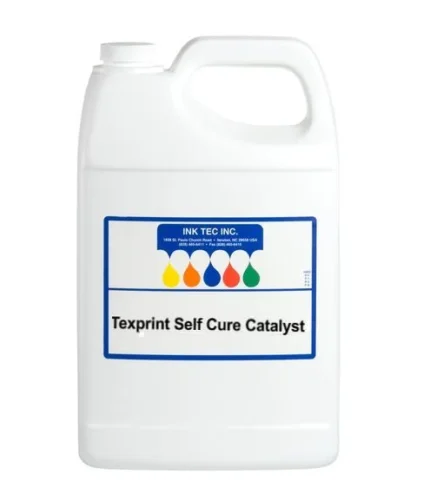
Typical settings: 160–180°C for 15–20 seconds under standard medium-firm pressure. Exact settings vary by fabric type and specific ink batch — the container label carries the recommended range.
What is the ink shelf life?
Standard unopened shelf life is 18 months from manufacturing date. Once opened, use within 12 months for consistent results. Store below 30°C.
What container sizes do you stock?
Standard 1L, 5L and 25L containers. Bulk drums available on order for high-volume workshops.