

Blog
Digital vs Flexo vs Screen Printing for Garment Labels in Bangladesh

Garment labels are not all produced the same way. A care label printed on satin or taffeta, a hang tag and a decorative textile label can have different substrate, durability and artwork requirements. For a Bangladesh label manufacturer, the best choice between digital, flexo and screen printing depends on the type of order, not just the machine price.
Understand the three production routes
Digital textile label printing
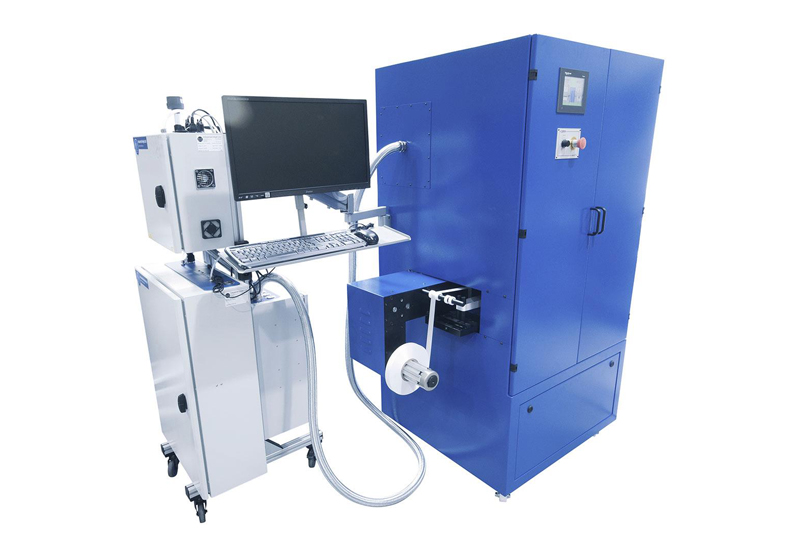
Digital printing prepares artwork electronically and does not require a new conventional printing plate for each version. This can be useful where the order contains multiple sizes, languages, QR codes or frequently changing buyer information. The d-Tex digital textile label printer is one equipment option to investigate for garment-label applications.
Flexographic label printing
Flexography transfers ink through flexible plates on a press. Plate preparation and press setup are part of the job, so the process is worth evaluating for repeat artwork and sustained label production. See the Focus LX Letterflex and the broader flexo equipment range for available configurations.
Screen printing for textile tags
Screen printing deposits ink through a prepared stencil. It can suit certain textile-label or tag applications where the ink deposit, substrate and artwork support the process. A product to compare is the Tagtrans 225 Proscreen. Ink, screen-mesh and curing choices need to match the actual material.
Decision criteria that matter
- Versions per order: More frequent artwork changes tend to increase plate or screen setup work.
- Print run per design: Quote by individual design and repeat quantity, not by the combined monthly quantity.
- Substrate: Test the exact satin, taffeta, woven tape, paper or other approved material.
- Variable data: Check whether each individual label must carry distinct batch, size or QR information.
- Durability and wash testing: Test the approved ink and label combination using the customer’s method.
- Finishing: Include drying, slitting, cutting, rolling and inspection steps in your cost model.
A simple production-planning example
Suppose a garment buyer orders ten different label designs in relatively small quantities. A digital workflow may reduce the need to prepare new plates for every design. If the same design repeats at high volume, a conventional press may become more cost-effective. The deciding point is not a universal quantity threshold: it depends on setup cost, waste, ink usage, machine speed and finishing.
A factory can also combine processes. For example, digital equipment can handle frequently changing artwork while flexo equipment handles recurring work, provided the plant has suitable finishing and quality-control arrangements. The Focus DFLEX digital label printer is another relevant product to compare when evaluating digital label workflows.
Questions to ask before buying
- Can the machine print the exact label material approved by your customers?
- What is the setup sequence for one design and for many designs?
- Which inks, print heads, plates or screens are required for routine operations?
- What finishing equipment is needed before labels are ready for delivery?
- What training, spare parts and test procedures are included in the quotation?
Frequently asked questions
Is digital printing always cheaper than flexo?
No. Digital and flexo have different cost structures. Compare plate and setup costs, per-unit operating costs, artwork changes and the actual run length before deciding.
Can the same printer produce every garment label?
Not necessarily. Material compatibility and required durability vary. Request tests on the exact label substrate rather than assuming one printer covers every job.
Can a digital label printer add QR codes or changing data?
Many digital workflows support variable data, but the actual machine, software and inspection setup must be checked against your job requirements.
Explore Prominent Tec’s label printing machinery or request technical guidance for your specific label production plan.


