

Blog
Packaging Printing Inks in Bangladesh: BOPP, PET, Shrink and Paper Guide

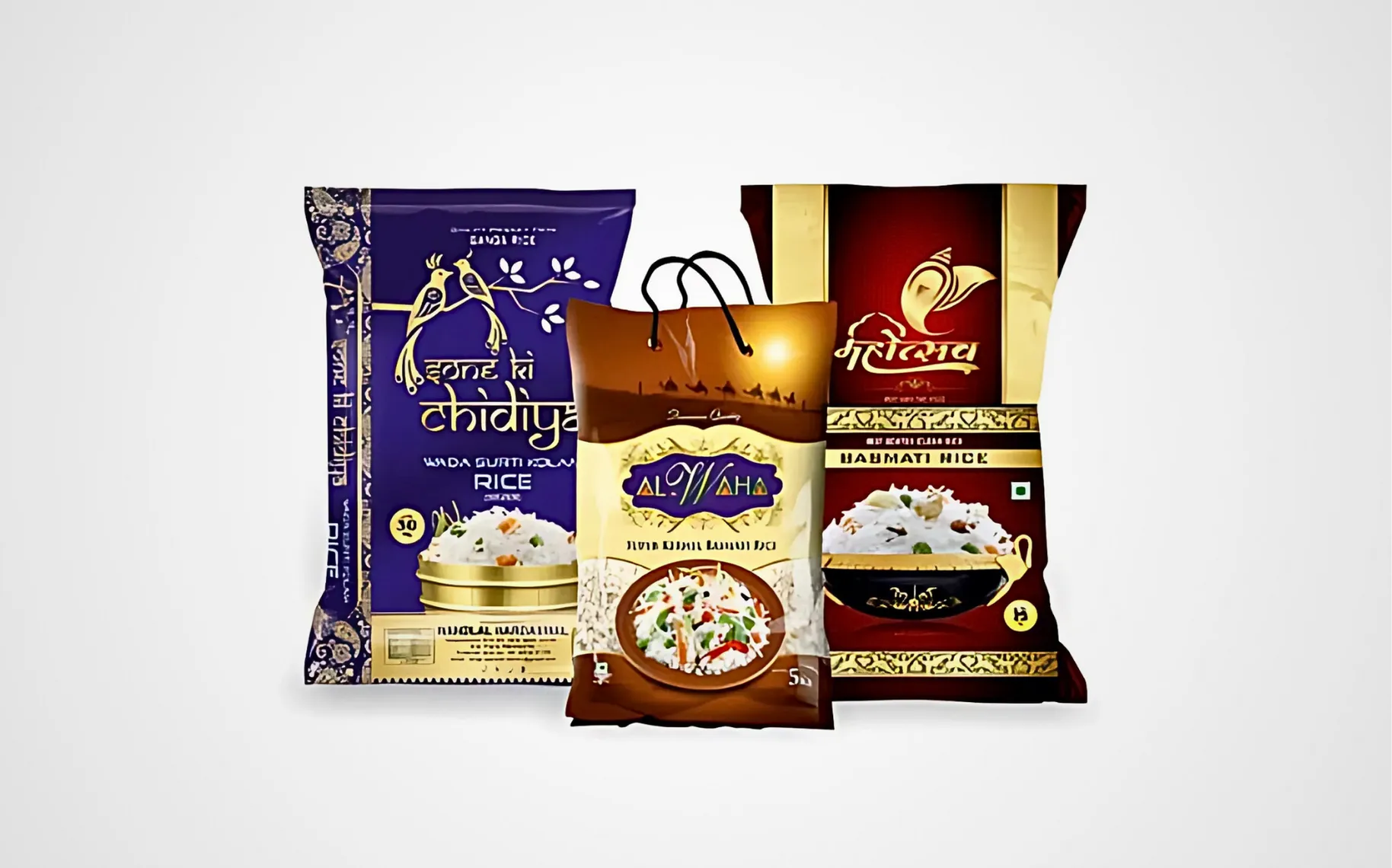
Packaging ink selection starts with the final packaging structure. A formulation intended for surface printing on a label may not be suitable for reverse printing beneath a laminate. For a converter sourcing packaging printing inks in Bangladesh, the correct choice depends on substrate, printing process, finishing and the customer’s required testing.
Start with the substrate and finished packaging
Before asking for a product, list the actual substrate—such as BOPP, PET, paper, PP sacks or shrink film—and whether the printed surface is exposed or will be laminated. Also document the end use, printing method, intended processing conditions and any food-contact requirements. Similar-looking films may behave differently depending on surface treatment and coating.
Common ink applications to compare
BOPP surface-printed labels
A label printing job may require ink formulated for the specific BOPP label stock. For product options, see the Chemi BOPP Label series. Confirm ink adhesion, resistance and drying requirements against an approved printed sample.
PET film surface printing
Polyester film applications require compatible adhesion and finishing performance. The Chemi Pol series provides a relevant product reference. Do not automatically substitute the same ink for reverse-printed laminated structures.
Shrink-sleeve labels
Shrink sleeves can involve film deformation during later application. Ink suitability depends on shrink film type, print method and sleeve processing. See Chemi Shrink printing ink as a comparison point and request the manufacturer’s technical documentation.
Paper, board and water-based flexo
Some printing workflows use water-based inks on compatible absorbent substrates. The Chemi Aqua series can be reviewed for the manufacturer’s stated applications, alongside press and drying requirements.
Laminated flexible packaging
Reverse-print applications that undergo lamination have separate ink, adhesive and film-compatibility considerations. For a relevant product range, inspect the Chemi Lam lamination ink and discuss the complete packaging structure with the ink supplier.
Food-contact packaging: what to verify
A statement about an ink’s ingredients does not by itself establish that a finished printed package is compliant for its intended use. Migration behaviour can depend on substrate, layer structure, printing and final-use conditions. Verify the correct test reports, declarations and risk assessments for the complete construction. The European Printing Ink Association’s food-contact guidance provides useful background; applicable buyer and destination-market requirements must be checked separately.
- Obtain an up-to-date technical data sheet and safety data sheet.
- Document the film, board or paper grade and whether the printing is surface or reverse.
- Confirm process compatibility, ink adhesion, drying and downstream lamination conditions.
- Request supporting documentation for migration and other relevant performance requirements.
- Run a production-representative trial before approving the ink for a new substrate.
How to compare ink quotations
Price per kilogram alone can be misleading. Evaluate the recommended application method, usable coverage, drying or curing conditions, rejection risk and required cleaning materials. Request consistent specifications from each supplier before comparing delivered costs.
Explore the industrial packaging ink catalogue for substrate-specific ranges. If the project also includes packaging converting, see packaging machinery for relevant equipment categories.
Frequently asked questions
Can one ink be used on both BOPP and PET?
Only if the specific formulation is approved for both substrates and processes. Verify the manufacturer’s documentation and test the actual printed structure.
Does food packaging require different evaluation?
Yes. A finished package may require migration and other compliance evaluation based on its intended contact and destination market. An ink product name is not enough to establish compliance.
Should I choose surface-print or reverse-print ink?
That depends on where the ink sits in the finished material, whether lamination occurs and how the printed package will be used.
For product compatibility and quotation requests, contact Prominent Tec.


