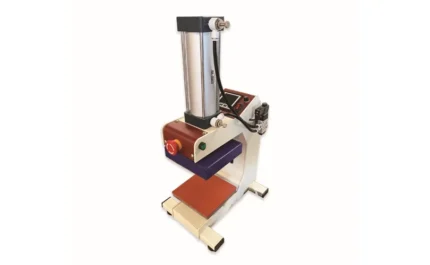
Machine Specification
| Feature / Specification |
Detail |
| Model Variants |
PT-N, PT-L101 (typical representations of the PT series) |
| Grinding Length |
900mm, 1200mm, 1600mm, 2000mm (Customizable options available) |
| Grinding Accuracy |
±0.01mm (10 microns) |
| Grinding Speed |
Adjustable for optimal blade processing |
| Blade Shapes |
Capable of grinding flat, round (ball head), and pointed (sharp-crested) mouth shapes |
| Guide Rail System |
High-precision 2.0 linear guide rail (for smooth, accurate movement) |
| Grinding Wheel |
High-performance King Kong diamond grinding wheel |
| Control System |
Advanced automatic control for precise operation |
| Power Supply |
220V, 2.2kW (typical for PT-L101) |
| Gross Weight |
Approx. 150 kg (for PT-L101, varies by model/length) |
| Dust Collection |
Integrated dust collection system for a clean working environment |
| Certifications |
ISO 9001:2008, CE Certification |
The economics of regrinding versus replacing
Squeegee blades wear with use. The edge rounds, the blade no longer shears ink cleanly off the mesh, and ink deposit becomes uneven and heavier than intended. Most workshops respond by replacing blades — a recurring consumable cost several times a year across every squeegee in the shop.
Regrinding changes that from a replacement cost to a maintenance task. A blade that would have been discarded returns to service with a factory-sharp edge, repeatedly over its usable life. The second benefit is quality: workshops that regrind tend to maintain sharper blades overall, because sharpening is cheap and quick, whereas workshops that replace tend to run blades well past their best to defer the cost.
Applications
Screen printing workshops and garment factories use grinding machines to maintain squeegee blades across manual tables and automatic presses. The more squeegees in daily use, the stronger the case — a factory running an oval press with eight print stations goes through blades fast enough that regrinding pays back quickly.
It sits in the maintenance workflow alongside our Screen Washing Tank and screen reclaiming equipment. Workshops that regrind blades and reclaim screens systematically run at noticeably lower consumable cost than those that replace both.
Explore related equipment and supplies: Screen Washing Tank for Screen Printing Cleanup, Automatic Emulsion Coating Machine, Chain Wheel Screen Stretching Machine.
Frequently Asked Questions
How much of a squeegee’s life does regrinding add?
A blade can be reground repeatedly until it becomes too short to hold properly in the handle. In practice this extends usable life several times over compared with discarding at first dullness.
What blade types and durometers can it grind?
Standard polyurethane squeegee blades across the durometer range used in textile and graphic screen printing. Confirm your specific blade types with our sales team at quotation.
How long does regrinding one blade take?
A few minutes per blade depending on length and how worn the edge is. A workshop can regrind a full set during a shift changeover.
Can it produce different edge profiles?
It restores a straight sharp edge as standard. Tell our sales team if you need specific bevelled or rounded profiles for particular print effects and we will confirm the configuration.
How do I know when a blade needs regrinding?
When ink deposit becomes uneven or heavier than usual, or when print edges lose definition. Operator training covers inspecting the blade edge and establishing a regrind schedule rather than waiting for print faults.
What is the delivery timeline in Bangladesh?
30–45 days from order confirmation to Chittagong port, plus 5–7 days for inland transport, installation and operator training.