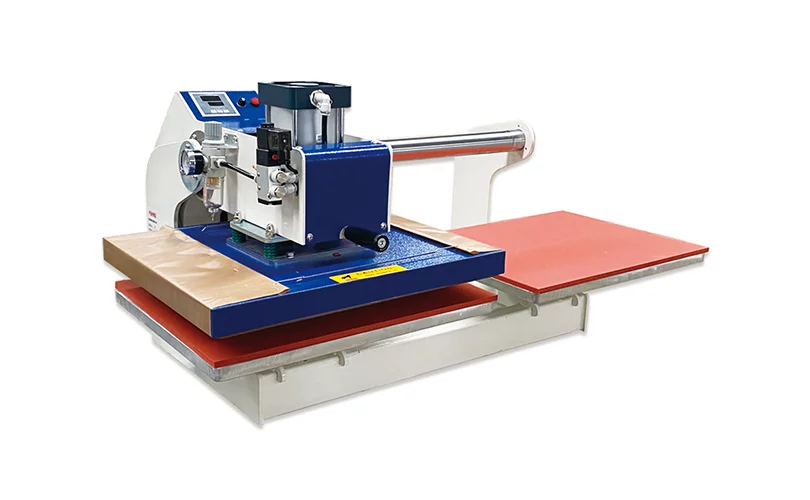
| Model |
HJD-G01 |
HJD-G02 |
| Max frame(Out) |
1000*1100mm |
1600*2400mm |
| Min frame(Out) |
600*600mm |
800*800mm |
| Coating speed |
50~150mm/sec |
| Frame fixed way |
Vacuum fixed clamp |
| Air pressure |
6kg/c㎡ |
| Weight |
550kg |
950kg |
| Power |
220V*1ph*450w |
220v*1ph*600w |
| Machine size(W X D X H) |
1920*580*1900mm |
2250*980*3300mm |
Why hand coating costs more than it looks
Most Bangladesh screen workshops still coat by hand with a scoop coater. It works, but it is inconsistent — coating thickness varies between operators, between screens, and between the top and bottom of the same screen. That variation shows up later as stencils that break down mid-run, detail that washes out, or screens that need re-coating after a failed exposure. Each of those is a screen’s worth of emulsion, an operator’s hour, and a delayed job.
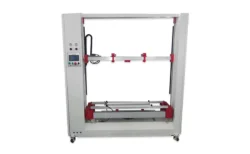
An automatic coater removes the variable. Set the layer thickness once, and every screen comes out the same. The realistic gain for a workshop coating twenty or more screens a day is one operator freed up, a noticeably lower re-coat rate, and consistent exposure times because the emulsion thickness is no longer a moving target.
Applications
Garment screen printing workshops in Narayanganj, Gazipur and Dhaka use this machine to prepare screens for T-shirt and fabric printing. Label and tag printers use it for the fine-mesh screens where coating consistency directly determines whether small text holds. Any workshop running multi-color jobs benefits most, because four screens with matched emulsion thickness expose identically and register cleanly.
The machine works as a set with our Horizontal Screen Frame Dryer or Oriented Plate Screen Frame Dryer for dust-free drying after coating, and the Micro-Computer Screen Exposure Machine for the exposure step. Workshops building out a full screen-preparation room usually buy the three together.
Frequently Asked Questions
What emulsion types does it work with?
Standard dual-cure, diazo and photopolymer emulsions used across Bangladesh. The coating trough and pressure are adjustable for emulsion viscosity, so you are not tied to a single brand.
How many screens can it coat per hour?
Typically 40–70 screens per hour depending on frame size and how many coating passes you specify. The bottleneck is usually loading and unloading frames, not the coating itself.
Can it coat both sides at once?
Yes — the machine coats both the print side and squeegee side in a single pass, which is the main time saving compared with hand coating.
What frame sizes does it handle?
Standard configuration accepts frames up to 1600mm wide. Smaller frames run without adjustment. If you use frames larger than 1600mm, tell our sales team before ordering.
What is the delivery and installation timeline in Bangladesh?
30–45 days from order confirmation to Chittagong port, plus 5–7 days for inland transport and on-site installation including calibration and operator training.
What is the price in Bangladesh?
Price on request — it depends on maximum frame width and whether you need programmable multi-pass coating. Request a quote with your typical frame size and daily screen count for a BDT figure.