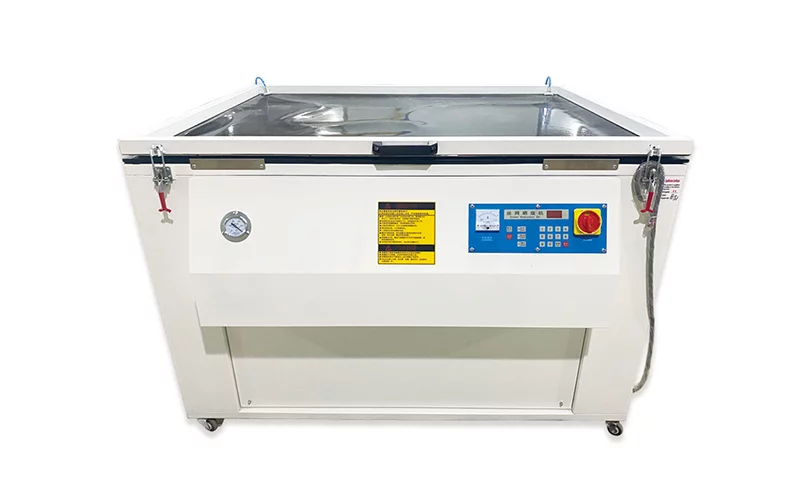
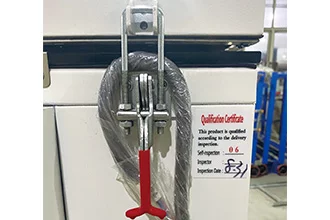
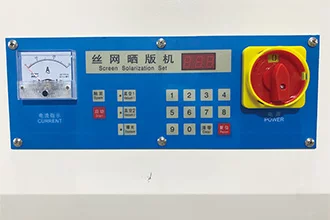
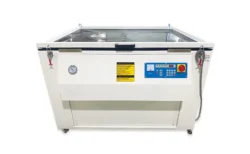
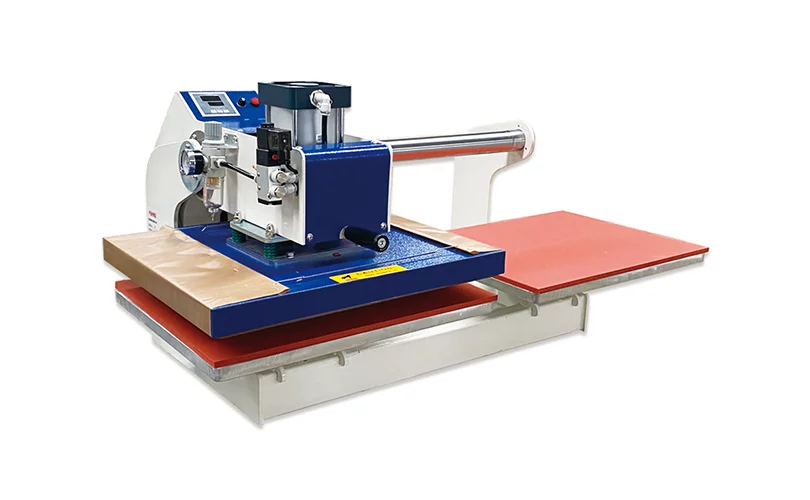
Exposure Machine Specification
| Model |
Specification |
Glass Size(mm) |
Lamp Power |
Max Frame Size |
Electric Power |
N.W. |
Machine Dimension(mm) |
| HJD-H101 |
900*1200 |
800*1000 |
2KW/3KW |
700*1000 |
380V,50Hz |
180KG |
1200*930*950 |
| HJD-H102 |
1200*1500 |
1000*1300 |
2KW/3KW |
1000*1300 |
380V,50Hz |
230KG |
1500*1230*1000 |
Why guessed exposure costs more than the machine
Many small Bangladesh workshops still expose screens in sunlight or under improvised lamps. The problem is that neither gives a repeatable dose. Sunlight varies by hour, season and cloud cover. Underexposed stencils break down mid-run — the emulsion washes away under the squeegee and the job stops. Overexposed stencils will not wash out, so fine detail closes up and the screen has to be reclaimed and recoated.
Each failure costs emulsion, an operator’s time, a delayed job, and sometimes a reprint. A programmable exposure unit removes the variable entirely: set the time for your emulsion and mesh combination, and every screen receives the same dose. For a workshop preparing even ten screens a day, the avoided reworks pay for the machine quickly.
Applications
Every screen printing workshop needs exposure capability, so this machine spans the whole sector — from small T-shirt printers in Dhaka to large garment factories running automatic presses. Label and tag printers depend on it most, because fine text and halftone detail only survives with accurate exposure. Fabric printers use the larger exposure areas for oversized screens.
The exposure unit is the third step in the screen-preparation workflow, after stretching and coating. It pairs with our Automatic Emulsion Coating Machine and the screen frame dryers — workshops building out a screen room typically buy the stretcher, coater, dryer and exposure unit together.
Frequently Asked Questions
How do I find the right exposure time for my emulsion?
Run an exposure calculator test — expose a single screen in timed steps and see which step washes out cleanest. Once you have that number for a given emulsion and mesh count, programme it and it stays valid. Operator training covers this test method.
What emulsions does it work with?
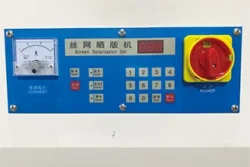
Dual-cure, diazo and photopolymer emulsions commonly used in Bangladesh. Each needs a different exposure time, which is why the programmable timer matters — store a setting per emulsion type.
Does it have a vacuum blanket?
Yes — the vacuum draws the positive film tight against the emulsion. This contact is what produces sharp stencil edges; without it, fine detail blurs from light scatter under the film.
What screen sizes does it handle?
Exposure area up to 1200mm on the standard configuration, which covers most garment and label screens. Confirm your largest frame size with our sales team before ordering.
How long do the UV lamps last and can I replace them locally?
Lamp life depends on usage but typically runs into thousands of exposures. Replacement lamps are available through Prominent Tec so you are not sourcing them internationally when the time comes.
What is the delivery timeline and price in Bangladesh?
Delivery is typically 30–45 days to Chittagong port plus inland transport and installation. Price on request — it varies with exposure area and lamp configuration.