| Feature |
HJD-C201 / HJD-C202 (High-grade Far Infrared Automatic Moving Dryer) |
HJD-C101 (Far Infrared Automatic Moving Dryer) |
| Heating Area |
750*900mm |
750*900mm |
| Speed |
2000-6000mm/min |
2000-6000mm/min |
| Temperature Range |
0-200°C |
0-200°C |
| Voltage |
220V/380V |
220V/380V |
| Power |
10KW |
10KW |
| Machine Dimensions |
1180*1050*400mm |
1180*1050*400mm |
| Gross Weight |
40kg |
40kg |
| Heating Element |
Far Infrared |
Far Infrared |
| Control System |
Not specified (likely basic control) |
Not specified (likely basic control) |
| Grade |
High-grade |
Standard |
How a moving dryer upgrades a manual table
A manual screen printing table can only print one color at a time unless the ink dries between passes. Without drying, the second color smears the first and the print is ruined. Workshops without a dryer either limit themselves to single-handedly work or wait hours between colors, which makes multi-color jobs uneconomic.
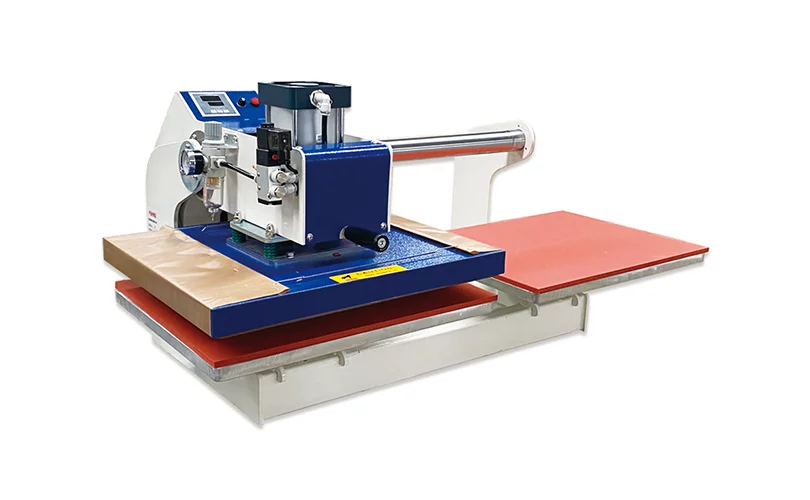
A moving dryer removes that limit for a fraction of the cost of buying an automatic press. Mounted on rails above an existing table, it travels the length of the table flash-curing each print. The workshop can now quote three and four-color jobs on equipment it already owns. Far-infrared heating is more energy-efficient than conventional elements and heats the ink rather than the surrounding air, which matters in already-hot Bangladesh workshop conditions.
Applications
Garment and T-shirt printing workshops across Dhaka, Narayanganj and Gazipur use moving dryers for flash-curing between color passes on manual tables. Fabric printers use them for continuous drying along long print tables. Any workshop taking multi-color orders on manual equipment depends on this machine to make those orders possible.
The dryer works with our Manual Screen Printing Glass Table and complements the Ordinary Tunnel Drying Machine, which handles final full curing at the end of the run. Workshops typically use the moving dryer for flash curing between colors, then send finished pieces through a tunnel dryer or heat press for full cure.
Frequently Asked Questions
What is the difference between a flash dryer and a tunnel dryer?
A moving or flash dryer partially cures ink between color passes so the next color can be printed on top. A tunnel dryer fully cures the finished print at the end of the run. Most workshops need both — flash for multi-color work, tunnel for final curing.
Can I fit it to my existing printing table?
In most cases yes — the rail system mounts above standard manual and semi-automatic printing tables. Send us your table dimensions before ordering and we will confirm compatibility or specify the right rail configuration.
What is the electricity consumption?
Far-infrared elements are more efficient than conventional resistive heaters because they heat the ink directly rather than the surrounding air. Exact wattage depends on the configuration — we provide the rating with the quotation so you can plan the electrical supply.
What ink types does it cure?
Plastisol, water-based and pigment textile inks. Different inks need different dwell times and temperatures; the adjustable speed and height settings accommodate all standard workshop inks.
Does it fully cure plastisol or just flash it?
It flash-cures — enough to print the next color on top without smearing. Full plastisol cure needs the ink to reach its full cure temperature throughout, which is the tunnel dryer’s or heat press’s job at the end of the run.
What is the delivery timeline in Bangladesh?
30–45 days from order confirmation to Chittagong port, plus 5–7 days for inland transport and on-site installation including rail mounting and calibration.