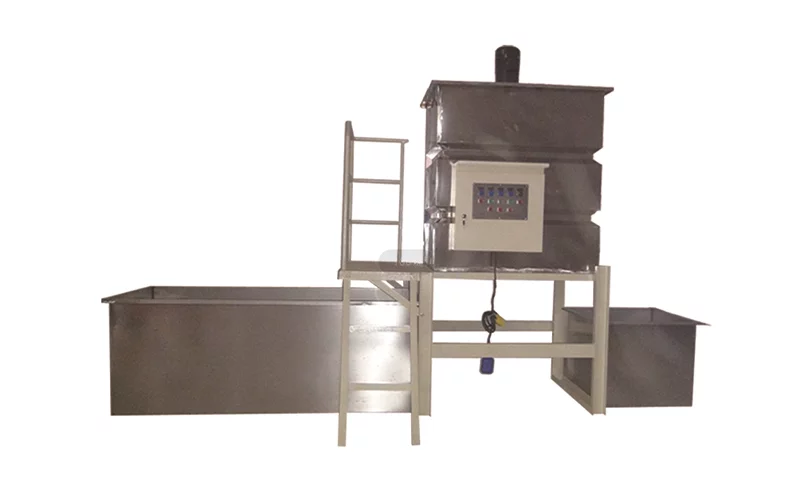
Machine Specification
| Specification |
Detail |
| Model |
PT-N Series |
| Capacity |
2–50+ m³/h (customizable for client needs) |
| System Type |
Compact, integrated multi-stage treatment (physical-chemical + biological) |
| Effluent Quality |
Meets ECR 2023 standards (BOD, COD, TSS, pH, color, heavy metals); suitable for reuse |
| Material |
Corrosion-resistant (Q235 steel with epoxy coating; SS304/316 for critical parts) |
| Power |
Energy-efficient; varies by capacity |
| Operation |
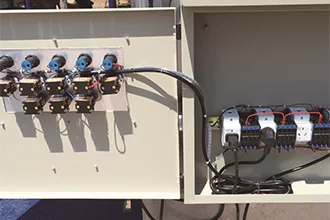
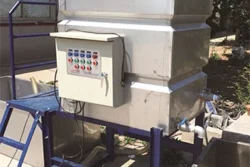
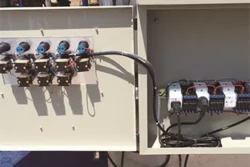
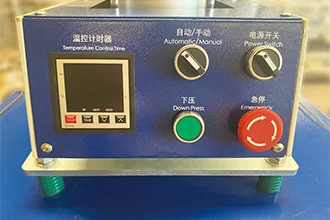
Fully automatic PLC control with minimal manual input |
| Water Reuse |
Suitable for non-potable industrial uses (cooling, washing, processes) |
| Design |
Compact, vertical layout; space-saving |
Why printing effluent needs its own treatment
Screen reclaiming, washout and press cleaning generate water carrying pigment, emulsion remover, degreaser and solvent residue. It is visibly coloured, chemically active, and not something municipal drainage is designed to absorb. In Bangladesh, the Department of Environment regulates industrial discharge, and factories operating without adequate effluent treatment face inspection findings, penalties and in serious cases suspension of operations.
There is a commercial dimension as well. International buyers auditing Bangladeshi suppliers increasingly examine environmental compliance as part of their sourcing standards, and a factory that cannot demonstrate effluent treatment can lose contracts regardless of what the regulator does. For any printing operation at scale, treatment equipment is infrastructure rather than an optional extra.
Applications
Screen printing factories use these systems to treat washout and reclaiming effluent. Textile printing mills use them for dye and pigment-laden process water. Packaging and label printers use them for press wash and solvent-contaminated water. Any factory whose discharge is subject to DoE oversight or buyer environmental audit needs treatment capacity sized to its effluent volume.
The system pairs with our Screen Washing Tank, which contains and routes washout effluent to the treatment point rather than letting it reach the workshop floor and general drainage. Containment and treatment work together.
Explore related equipment and supplies: Screen Washing Tank for Screen Printing Cleanup, Automatic Emulsion Coating Machine, Industrial Grinding Scraping Machine.
Frequently Asked Questions
What capacity do I need?
It depends on your daily effluent volume, which in turn depends on screen throughput, press cleaning frequency and processing type. Our technical team sizes the system after reviewing your production profile — give us your daily water usage figures at enquiry.
Does this guarantee DoE compliance?
Treatment equipment is a necessary part of compliance, but compliance also depends on correct operation, monitoring and documentation. We supply and commission the equipment and train your operators; the ongoing compliance process is managed by your factory.
What contaminants does it handle?
Ink pigment, dye, emulsion residue, emulsion remover, degreaser and screen-wash chemicals typical of printing operations. Tell us your specific chemical usage and our technical team will confirm the right configuration.
How much floor space and infrastructure does it need?
This varies with capacity. We provide a layout drawing and utility requirements with the quotation so you can plan the installation location and connections before delivery.
What operator skill does it require?
Routine operation and monitoring rather than specialist expertise. Commissioning includes operator training covering daily operation, dosing, monitoring and basic troubleshooting.
What is the delivery and installation timeline?
Typically 30–45 days from order confirmation to Chittagong port, plus 14–21 days for inland transport, installation, plumbing connection, commissioning and operator training. Larger systems take longer.